
Grafana
Open-source observability platform with AI-powered dashboards and alerting.
Grafana is the leading open-source platform for monitoring and observability visualization, providing highly customizable dashboards for metrics, logs, and traces that connect to over 100 data sources, with AI-powered features for anomaly detection and natural language dashboard queries available in its cloud offering. It serves as the visualization and alerting layer in many organizations' observability stacks.
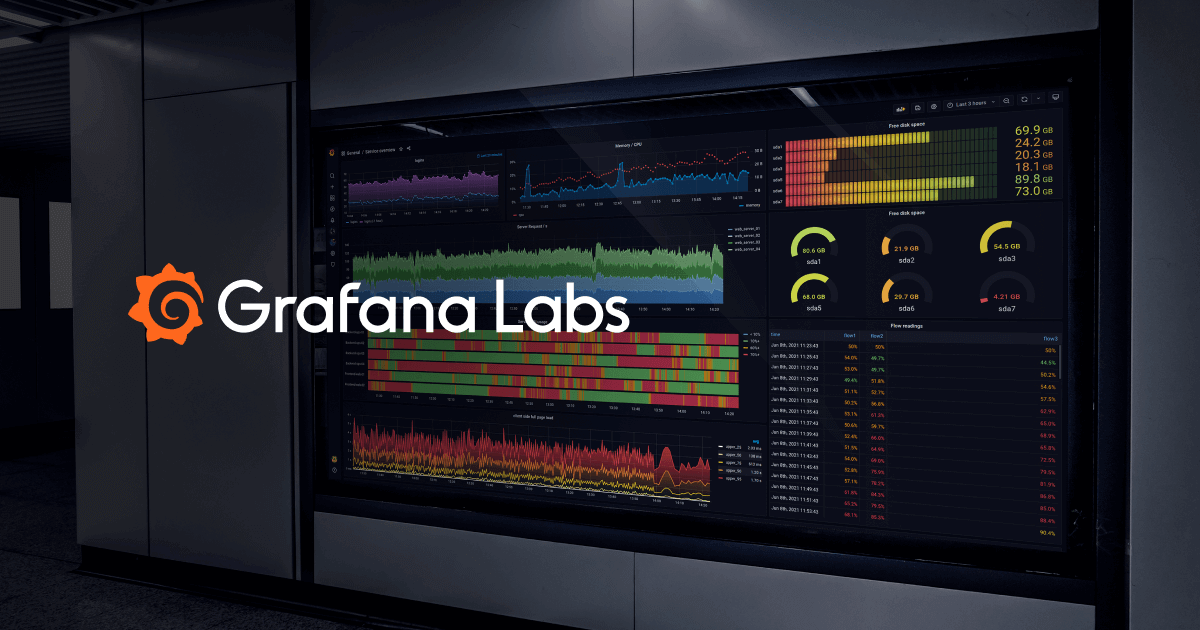
Grafana's core strength is its flexibility as a data visualization platform. Unlike proprietary monitoring tools that require you to store data in their own systems, Grafana connects to the data sources you already have -- Prometheus for metrics, Elasticsearch or Loki for logs, Jaeger or Tempo for traces, and many more. This data-source-agnostic approach means organizations can build a best-of-breed observability stack using their preferred tools for data collection and storage while using Grafana as the unified visualization and alerting layer. The dashboard builder is powerful and highly customizable, supporting a wide range of panel types including time series charts, heat maps, gauges, tables, and log panels, all configurable through a visual editor or JSON.
Grafana Cloud provides a fully managed version that includes hosted Prometheus (via Mimir), hosted Loki for logs, and hosted Tempo for traces, eliminating the operational burden of running these backends yourself. The cloud offering also includes AI-powered features like anomaly detection for metrics, natural language queries for exploring data without learning query languages, and intelligent alerting that reduces notification noise. The Grafana plugin ecosystem extends the platform's capabilities with community-contributed data source connectors, panel types, and applications.
Grafana is best suited for engineering and DevOps teams that want a flexible, vendor-neutral observability visualization platform. It is the natural choice for organizations already using Prometheus, as the two tools are frequently deployed together. The open-source version is free to self-host with no limitations on users, dashboards, or data sources, making it accessible to organizations of any size. Grafana Cloud offers a free tier for small-scale use, with paid plans based on metrics, logs, and traces volume. Self-hosting requires operational expertise to maintain Grafana and its data source backends, which is why many teams opt for the managed cloud offering. The learning curve for creating effective dashboards is moderate, and teams should invest time in establishing dashboard conventions and templates.
Last updated: March 2026
Key Features
- Customizable dashboards for metrics, logs, and traces
- AI-powered anomaly detection and alerting
- Support for 100+ data source plugins
- Grafana Cloud with managed Prometheus and Loki
- Natural language dashboard queries
- Open-source with self-hosted and cloud options
Pros
- + Industry-standard open-source observability platform
- + Connects to virtually any data source
- + Beautiful, highly customizable dashboards
- + Large community with extensive plugin ecosystem
Cons
- − Self-hosted setup requires operational expertise
- − Dashboard creation has a learning curve
- − Grafana Cloud costs can add up with data volume
User Reviews
★
★
★
★
★
4.8 from 2 reviews
JW
James Williams
★
★
★
★
★
worth every penny. I use it for incident response and the quality of suggestions is consistently high
Mar 19, 2026
MC
Mei C.
★
★
★
★
★
I was mass-comparing tools for a while and this one stuck. the deploy automation is best-in-class imo
Feb 03, 2026
Compare Grafana






Looking for something different?
View Grafana Alternatives →